
If you’ve typed “how much is my home worth?” into Google, you’re not alone. Zillow’s Zestimate is one of the most popular real estate searches on the internet. It’s one of the most common questions homeowners ask – whether they’re thinking about selling next month or just curious about their equity.
The tricky part is that the answer isn’t a single number. It’s a range shaped by several moving pieces, and understanding them will help you make smarter decisions no matter what you decide to do next.
Start With the Basics: What Actually Determines Value
Your home’s value comes down to what a qualified buyer is willing to pay for it in today’s market. That sounds simple, but it depends on a mix of factors:
Location
This is still the single biggest driver of value. School district boundaries, walkability, proximity to jobs and transit, and even which side of the street you’re on can shift price per square foot significantly.
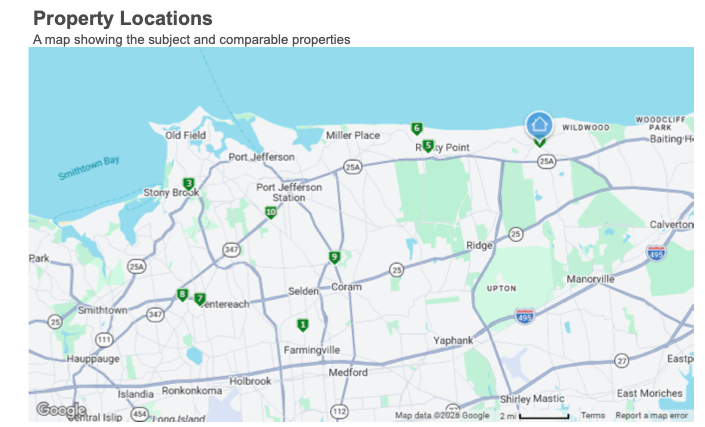
Comparable sales (“Comps”)
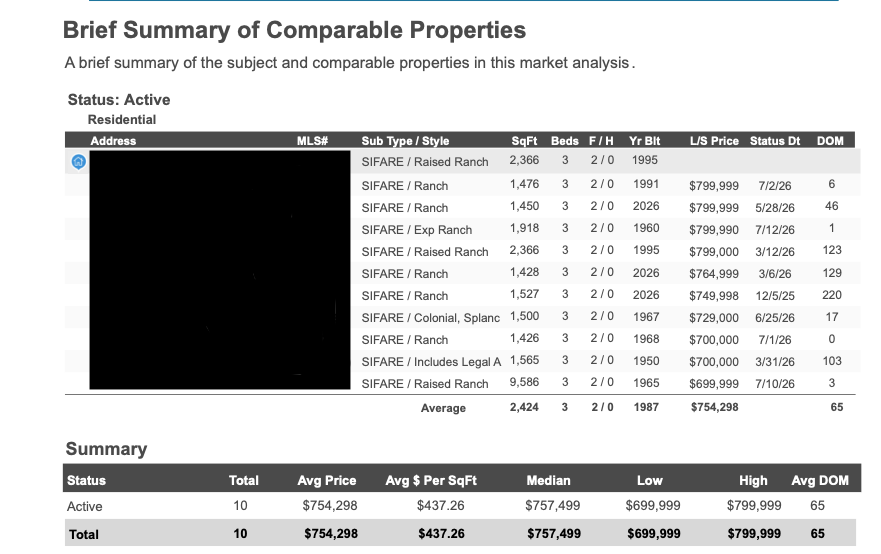
Real estate professionals look at similar homes (same neighborhood, similar size, age and condition) that have sold in the last three to six months. Comps are the foundation of almost every accurate valuation.
Condition and updates
A kitchen renovated in the last five years, a newer roof, or updated mechanical systems (HVAC, electrical, plumbing) all add tangible value. Deferred maintenance does the opposite.
Square footage and layout
Usable, well-flowing square footage tends to matter more than raw size. An awkward layout can undervalue a larger home.
Market conditions
Interest rates, inventory levels, and buyer demand all shift what people are willing to pay, sometimes month to month.
Why Online Estimators Only Get You Partway There?
Automated home worth valuation tools can be a decent starting point, but they work off public records and recent sales data without ever seeing your home. They can’t account for:
- A finished basement or converted garage
- Fresh paint, updated fixtures, or curb appeal improvements
- Unique lot features, like a corner lot or a private backyard
- Local nuances an algorithm won’t catch, like a busy road nearby or an especially desirable cul-de-sac
That’s why online estimates can be off by a wide margin – sometimes tens of thousands of dollars in either direction.
What a Real Comparative Market Analysis (“CMA”) Includes
When you work with an agent, you get something more precise: a Comparative Market Analysis. A good CMA typically includes:
- Recently sold comps – similar homes that were sold in the last 3-6 months nearby
- Active listings – helps the seller understand how their home stacks up to their current competition
- Pending sales – a powerful signal indicating which direction the market has been heading over the past 45 days.
- Expired or withdrawn listings – properties that didn’t sell, which can reveal pricing mistakes to avoid
- On-site walkthrough adjustments – accounting for your home’s specific condition, upgrades, and layout
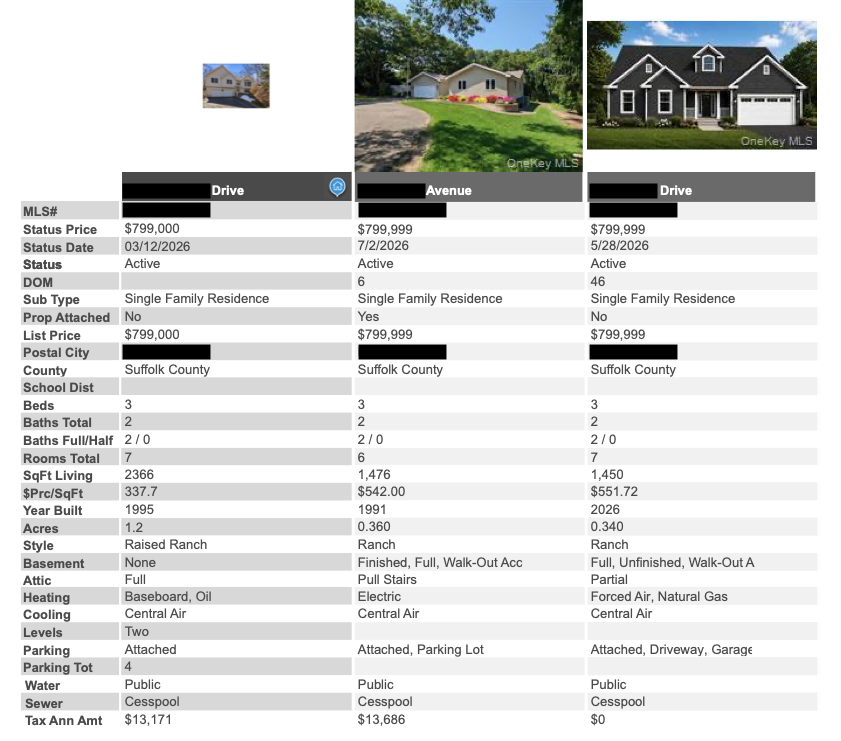
This combination gives you a realistic and defensible number. A CMA value is not just an estimate, but a competitive pricing strategy.
Timing Matters, Too
Home values aren’t static. The same house can be worth different amounts depending on:
- Seasonality – spring and early summer often bring more buyers and competitive offers
- Local inventory – fewer homes on the market usually means more leverage for sellers
- Broader economic factors – mortgage rates directly affect how much buyers can afford to offer
This is part of why a valuation from a year ago (or even six months ago) may no longer reflect what your home is worth today. During the covid pandemic, home prices actually fluctuated even month over month!
So, How Much Is Your Home Worth?
The honest answer: your home worth depends on details an algorithm cannot catch. The best way to find out is to ask for a free, no-obligation home valuation from a real estate agent who knows your neighborhood block by block – not just your zip code.
Curious what your home could sell for in today’s market? Reach out for a free, personalized home valuation – no pressure, no obligation, just real numbers based on real data.